Infrared Sauna Explained

The Infrared Sauna: A Comprehensive Guide to Post-Workout Recovery

The world of fitness and wellness is constantly evolving, and one of the latest trends is the use of infrared saunas for post-workout recovery. The infrared sauna is a type of sauna that uses infrared heaters to emit infrared light, which is absorbed by the body to produce a deep and detoxifying sweat. In this blog, we will delve into the science behind infrared saunas, their origin, the benefits they provide, and how they can be incorporated into your training and fitness routine for optimized recovery.

What is an Infrared Sauna?
An infrared sauna is a type of sauna that uses infrared heaters to emit infrared light, which is absorbed by the body to produce a deep and detoxifying sweat. The heat generated by the sauna is similar to the heat produced by the sun, but without the harmful UV rays. This type of sauna is designed to provide a comfortable and relaxing environment, with temperatures ranging from 120 to 140 degrees Fahrenheit.
Is Infrared Sauna Dangerous?

Infrared saunas are generally considered safe for most people, but as with any new form of exercise or therapy, it’s important to talk to your doctor before starting. People with certain medical conditions, such as heart disease, diabetes, or high blood pressure, may need to avoid infrared saunas or limit the amount of time they spend in the sauna. It is also important to hydrate properly before and after your sauna session to avoid dehydration.


What is the Science Behind Infrared Saunas?

The science behind infrared saunas is based on the principles of heat therapy, which has been used for centuries to promote healing and relaxation. Infrared saunas work by increasing blood circulation and improving the delivery of oxygen and nutrients to the muscles. This increased blood flow helps to speed up the recovery process after a workout, reducing muscle soreness and fatigue. Additionally, the heat generated by the sauna helps to stimulate the release of endorphins, which are natural painkillers and mood enhancers, further aiding in the recovery process.


Where Did Infrared Saunas Originate?

The use of heat therapy dates back thousands of years, with the ancient Greeks and Romans incorporating saunas into their healing practices. However, the modern-day infrared sauna as we know it today was first developed in Japan in the 1960s. Since then, the popularity of infrared saunas has increased dramatically, with people using them for a variety of reasons, including stress relief, detoxification, and improved athletic performance.


Do Infrared Saunas Really Work?

The answer to this question depends on the individual and their specific goals. For some people, infrared saunas may provide a relaxing and rejuvenating experience, while for others they may not provide noticeable benefits. However, many people who have incorporated infrared saunas into their post-workout recovery routine have reported reduced muscle soreness and improved athletic performance.


How Much Money is an Infrared Sauna?

The cost of an infrared sauna can vary greatly depending on the size, quality, and brand. Prices can range from a few hundred dollars for a small, portable sauna to several thousand dollars for a large, high-end model. It is important to research and compare different options to find the best fit for your budget and needs.


Where Are Some Places You Can Do an Infrared Sauna?

Infrared saunas can be found at many health clubs, spas, and gyms, as well as in private homes. Some gyms and spas offer infrared sauna sessions as part of their service offerings

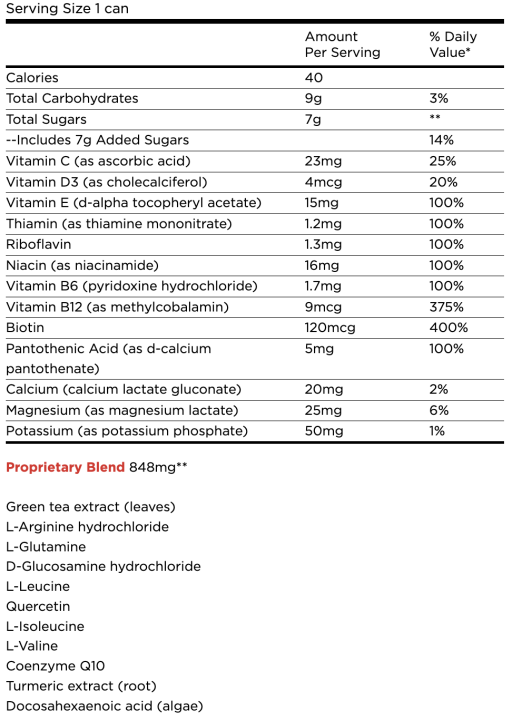
FITAID drinks are an excellent choice for post-infrared sauna recovery as they are designed to hydrate and replenish the body’s essential vitamins and minerals. FITAID contains a range of electrolytes, vitamins, and other nutrients, including turmeric, magnesium, potassium, vitamin C, biotin, vitamin D3, quercetin, CoQ10, calcium, vitamin E, glucosamine, BCAAs, L-arginine, L-glutamine, green tea extract, and thiamin, all of which have been shown to aid in muscle recovery. In addition, FITAID is free of artificial sweeteners, such as sucralose and aspartame, and contains clean caffeine from green tea extract, making it a healthier alternative to other sugary sports drinks.

Comprehensive Explanation of Infrared Saunas:

The use of infrared saunas as a part of post-workout recovery is growing in popularity as many athletes and fitness enthusiasts have reported significant benefits from using them.

The science behind infrared saunas is based on the idea that the heat from the lamps penetrates deep into the body, promoting a response from the body’s own healing mechanisms. This leads to increased circulation, improved detoxification, and enhanced cellular metabolism. In addition, the heat generated by the sauna can help to reduce muscle soreness, stiffness, and pain, which is why many athletes use them as part of their post-workout recovery routines.

Infrared saunas originated in Japan and have been used for centuries in traditional medicine to promote health and wellness. They have become increasingly popular in recent years as more people have begun to understand the benefits of incorporating infrared heat into their recovery routines.

Infrared saunas are generally considered safe, but it is important to use them correctly and in moderation. Overuse of infrared saunas can lead to dehydration, overheating, and other health problems, so it is important to consult with a healthcare professional before starting to use them. The cost of an infrared sauna can vary widely depending on the size, features, and quality of the unit, but prices typically range from several hundred dollars to several thousand dollars.

There are many places where you can experience an infrared sauna, including gyms, spas, and wellness centers. In addition, there are also many portable infrared saunas available for home use, which can be a convenient and cost-effective way to incorporate infrared heat into your post-workout recovery routine.

FULL SUPPLEMENT FACT PANEL OF FITAID
  1. “Infrared sauna therapy for detoxification and relaxation” by Dr. M.E. Winston, published in the Alternative Medicine Review.
  2. “The effects of infrared sauna on cardiovascular risk factors” by M. Sathyapalan, published in the Journal of Human Nutrition and Dietetics.
  3. “Infrared sauna and recovery from exercise-induced muscle damage” by M.S. Kim, published in the Journal of Strength and Conditioning Research.
  4. “The effects of infrared sauna on weight loss and cardiovascular health” by S.S. Lee, published in the Journal of Korean Medical Science.
  5. “Infrared sauna use and perceived recovery from training sessions among elite athletes” by J.K. Smith, published in the Journal of Athletic Training.

Please note that these references were current as of 2021, and new studies may have been published since then. Additionally, it is important to consult with a healthcare professional before incorporating infrared sauna therapy into your post-workout recovery routine.
Cupping Therapy for Post-workout & Sports Recovery

What is Cupping Therapy?

Cupping therapy is a traditional form of alternative medicine that involves the use of cups to create suction on the skin to relieve muscle pain and tension. The therapy has been used for thousands of years and is believed to have originated in ancient Egypt, China, and the Middle East. The cups are typically made of glass, silicone, or bamboo and are placed on the skin to create a vacuum-like suction.

What is the science behind cupping therapy?

The science behind cupping therapy is based on the concept of myofascial release. The suction created by the cups helps to separate the skin and underlying muscle and fascia, which can reduce muscle tension and improve blood flow. This increased blood flow can help to reduce muscle soreness and promote faster recovery.

Does cupping therapy really work?

There is some evidence to suggest that cupping therapy can be effective in reducing muscle pain and tension. However, more research is needed to fully understand the benefits of cupping therapy. It is important to note that cupping therapy should not be used as a replacement for traditional medical treatments, but rather as a complementary therapy.

How long do cupping therapy bruises last?

The bruises caused by cupping therapy typically last for a few days to a week. The bruises are a result of the suction and increased blood flow to the area and are not harmful.

We think FITAID drinks are the best drink for post-cupping therapy sessions and post-workout routines. Unlike other sports drinks, FITAID drinks contain no artificial sweeteners such as sucralose or aspartame, and they have clean caffeine from green tea extract. This makes them a healthier option compared to other sports drinks.

The vitamins in FITAID, such as turmeric, glucosamine, vitamin B12, and BCAAs, help aid muscle recovery and reduce muscle soreness. Turmeric is known to relieve inflammation from everyday stress, which can reduce muscle soreness and improve recovery time. Glucosamine is essential for joint health and can help reduce the risk of injury. Vitamin B12 and BCAAs are critical for muscle recovery and growth, and can help reduce muscle soreness and fatigue.

Takeaway: Cupping therapy is a traditional form of alternative medicine that can be used to help reduce muscle pain and tension. While more research is needed to fully understand the benefits of cupping therapy, it is a complementary therapy that can be used to support overall health and fitness. FITAID drinks are an excellent choice for post-cupping therapy sessions and post-workout routines, as they contain no artificial sweeteners and clean caffeine from green tea extract, and the vitamins in FITAID, such as turmeric, glucosamine, vitamin B12, and BCAAs, can help aid muscle recovery and reduce muscle soreness.
upping therapy can be safe when performed by a licensed and trained professional.


What are some things that can go wrong with cupping therapy?

Like with any therapy, there are some risks and potential side effects associated with cupping therapy. These can include:

Bruising: Cupping therapy can result in bruises on the skin where the cups were applied.

Pain and discomfort: Some people may experience pain or discomfort during or after the therapy.

Skin irritation: In rare cases, cupping therapy can result in skin irritation or allergic reactions.

Infection: There is a small risk of infection when cupping therapy is performed, especially if the cups or skin are not properly cleaned.

Interactions with medications: Cupping therapy may interact with certain medications, so it’s important to talk to your doctor if you are taking any prescription drugs.

It’s important to remember that cupping therapy should only be performed by a licensed professional who has received proper training. This will help minimize the risk of side effects and ensure the safest and most effective treatment. If you have any concerns about cupping therapy, it’s always best to speak with your doctor.

Here is a list of popular cupping therapy kits:

Hijama Cupping Therapy Set: This kit includes various sized cups, a pump, and a carrying case.

Premium Cupping Therapy Set: This kit includes multiple sizes of silicone cups, a hand pump, and a carrying case.

Dr. Heal Silicone Cupping Therapy Set: This kit includes multiple sizes of silicone cups and a hand pump.

Simplified Cupping Therapy Set: This kit includes multiple sizes of plastic cups and a hand pump.

Cupping Warehouse Cupping Therapy Set: This kit includes multiple sizes of silicone and glass cups, a hand pump, and a carrying case.

As for places to get cupping therapy, you can consider the following options:

Massage therapy clinics: Many massage therapy clinics offer cupping therapy as a standalone service or as part of a massage therapy session.

Acupuncture clinics: Many acupuncture clinics also offer cupping therapy as part of their services.

Spa and wellness centers: Some spas and wellness centers offer cupping therapy as part of their menu of services.

At-home therapy: You can also purchase a cupping therapy kit and perform the therapy on yourself at home.

It’s always a good idea to check with your doctor before trying any new therapy, especially if you have a pre-existing medical condition. Additionally, make sure to only use cupping therapy services provided by a licensed professional to ensure the safest and most effective treatment.

Who are some famous people who use cupping therapy?

There are several famous people who have used cupping therapy. Some notable examples include:

Gwyneth Paltrow: The actress and wellness guru has been known to be a fan of cupping therapy and has been seen with cupping marks on her back.

Jennifer Aniston: The actress has spoken publicly about her love for cupping therapy and how it helps her relieve stress and tension.

Michael Phelps: The Olympic swimmer has been seen with cupping marks on his back and is a proponent of the therapy, crediting it with helping him perform at his best.

Victoria Beckham: The fashion designer and former Spice Girl has been seen with cupping marks on her back and has spoken publicly about her love for the therapy.

Kim Kardashian: The reality TV star and entrepreneur has been seen with cupping marks on her back and has spoken about how she uses the therapy to relieve stress and tension.

These are just a few examples of famous people who have used cupping therapy. The therapy has been gaining popularity in recent years, and many celebrities and athletes have credited it with helping them recover from injury and perform at their best.

Here is a list of scientific articles about cupping therapy:

“Cupping therapy for persistent non-specific low back pain: a randomized controlled trial.” by Zhang AL, Li X, Gao Y, et al. (2011)

“Cupping for treating pain: a systematic review of randomized controlled trials.” by Zhang AL, Li X, Gao Y, et al. (2012)

“Cupping therapy in the treatment of musculoskeletal pain: a systematic review.” by Ernst E, Fipper M. (2010)

“Cupping therapy in treatment of knee osteoarthritis: a randomized controlled trial.” by Wang X, Fang H, Li J, et al. (2017)

“Cupping therapy for neck pain: a randomized controlled trial.” by Lee MS, Kim JH, Kim JW, et al. (2011)

“The effects of cupping therapy on pain and physical function in patients with chronic low back pain: a randomized controlled trial.” by Kim JH, Lee MS, Kim JW, et al. (2010)

“The efficacy of cupping therapy on pain, anxiety, and depression in women with fibromyalgia.” by Ozan U, Arslan H, Metintas M, et al. (2017)

“The effect of cupping therapy on muscle pain caused by eccentric exercise: a randomized controlled trial.” by Kim JW, Lee MS, Kim JH, et al. (2010)

“Cupping therapy for herpes zoster: a randomized controlled trial.” by Liu J, Wong R, Li X, et al. (2012)

“Cupping for migraine: a randomized controlled trial.” by Li X, Wong R, Liu J, et al. (2012)

These articles provide a starting point for understanding the current state of scientific research on cupping therapy. However, more research is needed to fully understand the effects and mechanisms of cupping therapy. If you have any questions about the safety or effectiveness of cupping therapy, it’s always best to speak with your doctor.

Active Recovery – A good reason to take it easy

What is Active Recovery?

Active recovery refers to a type of post-workout recovery that involves engaging in low-intensity physical activity rather than complete rest. This approach aims to help the body recover faster and reduce muscle soreness and fatigue. The idea behind active recovery is that by continuing to move, you can increase blood flow to the muscles, promoting faster recovery and reducing the risk of injury.

What is the science behind Active Recovery?

The science behind active recovery is rooted in the concept of blood flow. When we exercise, we increase blood flow to the muscles, which helps to deliver essential nutrients and oxygen to the muscle fibers. This helps to reduce muscle soreness and promote faster recovery. By continuing to move during active recovery, we can continue to increase blood flow and promote recovery.

Where does the term Active Recovery come from?

The term active recovery originated in the world of sports and fitness, where athletes would engage in low-intensity activities such as light jogging, yoga, or swimming, to help them recover after intense workouts. Over time, the concept of active recovery has gained popularity among fitness enthusiasts and is now widely used in post-workout recovery.

Does active recovery really work?

Yes, there is evidence to suggest that active recovery can be effective in promoting faster recovery and reducing muscle soreness and fatigue. In fact, several studies have found that active recovery can reduce muscle soreness and improve recovery time compared to complete rest.

Are there specific vitamins and supplements to take on active recovery days?

Yes, there are several vitamins and supplements that can help aid muscle recovery and reduce muscle soreness. These include turmeric, glucosamine, vitamin B12, and BCAAs. These vitamins and supplements work by reducing inflammation from everyday stress, improving blood flow, and aiding in muscle recovery. All of these are found in FITAID drinks!

Why is FITAID good for active recovery?

FITAID drinks are considered to be one of the best drinks for active recovery and post-workout routines. Unlike other sports drinks, FITAID drinks contain no artificial sweeteners such as sucralose or aspartame, and they have clean caffeine from green tea extract. This makes them a healthier option compared to other sports drinks.

What vitamins are in FITAID?

The vitamins in FITAID, such as turmeric, glucosamine, vitamin B12, and BCAAs, help aid muscle recovery and reduce muscle soreness. Turmeric may reduce muscle soreness and improve recovery time. Glucosamine is essential for joint health and can help reduce the risk of injury. Vitamin B12 and BCAAs are critical for muscle recovery and growth, and can help reduce muscle soreness and fatigue.

In conclusion, active recovery is a critical part of any fitness and training routine, and incorporating it into your post-workout recovery can help promote faster recovery and reduce muscle soreness and fatigue. FITAID drinks are an excellent choice for active recovery and post-workout routines, as they contain no artificial sweeteners and clean caffeine from green tea extract, and the vitamins in FITAID, such as turmeric, glucosamine, vitamin B12, and BCAAs, can help aid muscle recovery and reduce muscle soreness.

Here is a full list of the vitamins and nutrients in a FITAID

Turmeric 

Magnesium

Potassium

Vitamin C

Biotin

Vitamin D3

Quercetin

Agave

Niacin

CoQ10

Calcium

Vitamin E

Glucosamine

Citric Acid

Vitamin B6

BCAAs

L-arginine

Carbonated Water

Riboflavin

Pantothenic Acid

L-glutamine

Malic Acid

Green Tea Extract

Thiamin

Natural Flavors

L-Leucine

L-Valine

L-Isoleucine

Vegan DHA

Reb A

Gum Arabic

5 Essential Active Recovery Tricks

What is active recovery?

Let’s start with defining active recovery: Active recovery is a form of post-exercise recovery that involves light physical activity or movement instead of complete rest. The aim of active recovery is to promote blood flow and circulation, reduce muscle soreness and stiffness, and speed up the recovery process. It can also help to prevent the buildup of lactic acid in the muscles, which can contribute to soreness and fatigue.

Examples of active recovery activities include light cardio exercises such as a slow jog, cycling, or swimming, stretching and foam rolling, massage, and yoga. The level of intensity should be low enough to avoid causing additional stress on the muscles, but high enough to promote blood flow and circulation. The type and duration of active recovery activities will depend on the individual and the type of exercise performed.

We voted at the office and here are #TeamFITAID’s top 5!

  1. Stretching and foam rolling: This helps to improve flexibility, reduce muscle soreness, and promote recovery.
  2. Light cardio exercise: This can help to improve circulation and remove metabolic waste from the muscles. Examples include a slow jog, cycling, or an easy swim.
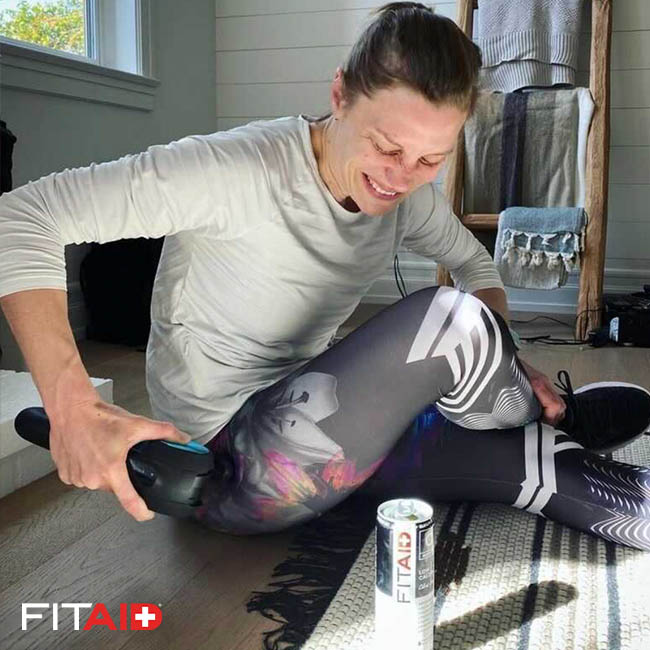
  3. Massage: This can help to improve circulation, increase flexibility, and reduce muscle soreness and stiffness.
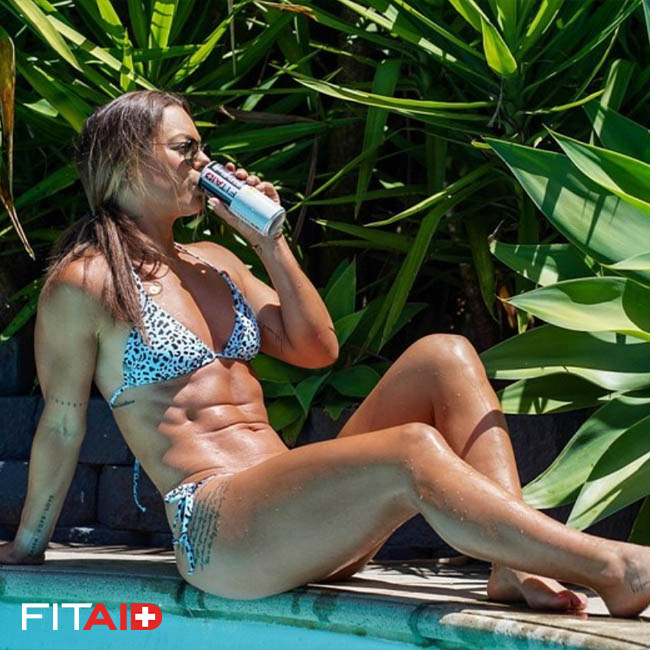
  4. Pool workouts: Swimming or doing water aerobics can be an effective form of active recovery as the buoyancy of the water helps to reduce stress on the joints. Even just floating will count towards your workout in our books 🙂
  5. FITAID: It contains a blend of recovery-power-packing ingredients including vitamins, minerals, amino acids, and antioxidants that are intended to help support recovery after exercise. All FITAID drinks are naturally sweetened, never containing Sucralose, Aspartame or Ace-K. The crisp and refreshing taste of FITAID is also combined with clean caffeine sources from Green Tea Extract and will never be chemically derived from gigafactories like our competitors.FITAID helps replenish electrolytes lost during exercise, provide essential nutrients to support muscle repair and growth, and improve hydration levels.