Can gratitude help my fitness routine & athletic performance?

How are gratitude and fitness correlated?

Attitude of Gratitude

Yes, being grateful will improve your workout. Here is why:

Gratitude, joy, and happiness are closely related concepts that have been studied by researchers in the field of positive psychology. While all three are associated with positive emotions, there are subtle differences in their meanings and the ways in which they impact physical health.

What is gratitude?

Gratitude is the feeling of appreciation or thankfulness for something or someone. It is the recognition of the good things in one’s life and the realization that these things come from external sources. Studies have shown that gratitude is associated with improved psychological well-being, including increased life satisfaction and decreased depression and anxiety. Additionally, research has found that gratitude is associated with improved physical health. For example, a study published in the journal Personality and Individual Differences found that gratitude is positively associated with heart rate variability, a measure of cardiovascular health. Other research has found that gratitude is associated with better sleep and improved immune function.

Is joy is the spice of life?

Joy is a feeling of delight or pleasure, often associated with positive experiences or accomplishments. Joy is typically considered to be a more intense and fleeting emotion than gratitude. Studies have found that joy is associated with increased positive affect and improved psychological well-being. Additionally, research has suggested that joy is associated with improved physical health, including decreased inflammation and improved cardiovascular health.

Does happiness affect your fitness?

Happiness is a broad term that is often used to describe a general sense of well-being or contentment. Unlike gratitude and joy, happiness is not necessarily tied to a specific event or experience. Studies have found that happiness is associated with improved psychological well-being, including increased life satisfaction and decreased depression and anxiety. Additionally, research has suggested that happiness is associated with improved physical health, including decreased inflammation and improved cardiovascular health.

How is physical health related to one’s attitude?

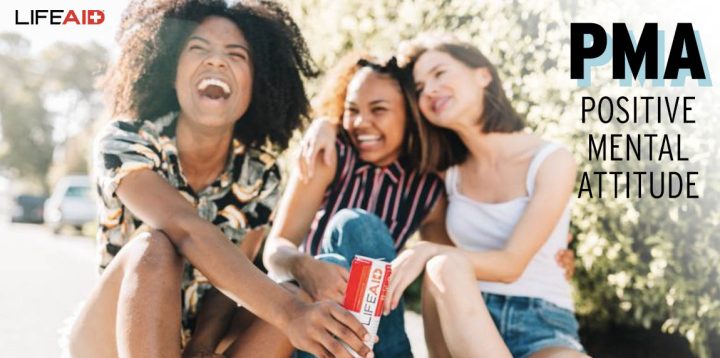
Physical health and fitness are closely related to one’s mental attitude. Positive mental attitude (PMA) can help encourage good workouts and athletic performance. Studies have shown that athletes who have a positive mental attitude tend to perform better than those who have a negative one. For example, a study published in the Journal of Sport Psychology found that athletes who had a positive mental attitude were more likely to report higher levels of self-confidence, which in turn was associated with better athletic performance.

How can gratitude help my athletic performance?

Athletes can benefit from practicing gratitude, joy, and happiness, as these positive emotions can help improve their mental attitude and thus their athletic performance. For example, a study published in the Journal of Applied Sport Psychology found that athletes who regularly engaged in gratitude exercises reported higher levels of satisfaction with their athletic performance and their lives overall. Additionally, research has suggested that athletes who are able to maintain a positive mental attitude are better able to cope with the stress and demands of their sport.


References:

    1. Emmons, R. A., & McCullough, M. E. (2003). Counting blessings versus burdens: an experimental investigation of gratitude and subjective well-being in daily life. Journal of personality and social psychology, 84(2), 377.
    2. Wood, A. M., Joseph, S., & Linley, P. A. (2008). The role of gratitude in the development of social support, stress, and depression: two longitudinal studies. Journal of research in personality, 42(4), 854-871.
    3. Algoe, S. B., Haidt, J., & Gable, S. L. (2008). Beyond reciprocity: gratitude and relationships in everyday life. Emotion, 8(3), 425.
    4. Emmons, R. A. (2007). Thanks! How the new science of gratitude can make you happier. Houghton Mifflin Harcourt.
    5. Wood, A. M., Froh, J. J., & Geraghty, A. W. (2010). Gratitude and well-being: a review and theoretical integration. Clinical psychology review, 30(7), 890-905.
    6. Froh, J. J., Yurkewicz, C., & Kashdan, T. B. (2009). Gratitude and well-being: a review and theoretical integration. Clinical psychology review, 29(3), 72-90.
    7. Froh, J. J., Sefick, D. J., & Emmons, R. A. (2008). Counting blessings in early adolescents: an experimental study of gratitude and subjective well-being. Journal of School Psychology, 46(2), 213-233.
    8. Wood, A. M., Maltby, J., Gillett, R., Linley, P. A., & Joseph, S. (2008). The authentic personality: a theoretical and empirical conceptualization and the development of the Authenticity Scale. Journal of counseling psychology, 55(3), 385.
    9. Seligman, M. E., Steen, T. A., Park, N., & Peterson, C. (2005). Positive psychology progress: empirical validation of interventions. American psychologist, 60(5), 410.
    10. Gable, S. L., Reis, H. T., Impett, E. A., & Asher, E. R. (2004). What do you do when things go right? The intrapersonal and interpersonal benefits of sharing positive events. Journal of personality and social psychology, 87(2), 228.


SUMMARY:

In conclusion, gratitude, joy, and happiness are closely related concepts that have been linked to improved psychological well-being and physical health. These positive emotions can be cultivated through simple practices, such as keeping a gratitude journal or engaging in activities that bring joy and happiness. Additionally, athletes can benefit from practicing gratitude, joy, and happiness, as these positive emotions can help improve their mental attitude and thus their athletic performance. Overall, it is important to be mindful of the many ways in which positive emotions can improve our overall well-being, both physically and mentally.
Why do I need to use a foam roller in my post-workout recovery?

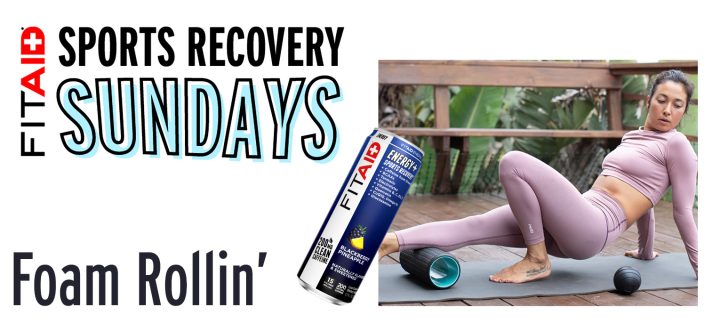
woman relaxes and foam rollers leg with FITAID EnergyWhat helps the body recover faster?
Have you tried foam rolling and FITAID!

Using a foam roller and the right recovery beverage as part of your post-workout recovery routine can be incredibly beneficial for your overall muscle health and performance. Foam rolling, also known as self-myofascial release, is a form of self-massage that helps to release muscle tightness and tension. This can help to improve flexibility, reduce muscle soreness, and prevent injuries. We’ve even partnered with RPM to score you a 30% discount code to score your own!

One of the main reasons why foam rolling is important for post-workout recovery is that it helps to improve circulation. When you work out, your muscles undergo a lot of stress and tension, which can lead to a buildup of lactic acid and other metabolic by-products. These substances can cause muscle soreness and stiffness, and they can also reduce blood flow to the muscles. By using a foam roller to massage your muscles, you can help to increase blood flow and circulation, which can help to remove these by-products and speed up the recovery process.

Foam rolling can also help to improve flexibility. As you age, your muscles naturally become tighter and less flexible, which can lead to a decrease in range of motion and an increase in the risk of injury. By using a foam roller to massage your muscles, you can help to break up scar tissue and increase flexibility, which can help to improve your overall performance and reduce the risk of injury.

In addition to these benefits, foam rolling can also help to reduce muscle soreness and fatigue. When you work out, your muscles undergo a lot of stress, which can lead to muscle soreness and fatigue. By using a foam roller to massage your muscles, you can help to reduce muscle soreness and fatigue, which can help you feel more energized and ready to tackle your next workout.

Now that you know some of the benefits of using a foam roller as part of your post-workout recovery routine, you may be wondering, “What is the best exercise recovery drink” to replenish and rehydrate you. One option that you may want to consider is FITAID.

What is the best exercise recovery drink?

FITAID is a post-workout recovery drink that is specifically designed to help your body recover after a tough workout. It contains a blend of nutrients and electrolytes that can help to replenish your body’s stores and support muscle recovery. Some of the key ingredients in FITAID include:

Electrolytes: FITAID contains electrolytes without sodium, which are important for hydration and muscle function. These electrolytes help to maintain proper fluid balance in the body and support muscle function.

Antioxidants: FITAID contains antioxidants like vitamins C and E, which can help to reduce oxidative stress and support overall health.

In addition to these ingredients, FITAID is also free from artificial sweeteners, making it a more natural and healthier choice for post-workout recovery. FITAID never uses gut-disruptive artificial sweeteners such as sucralose, aspartame or ACE-K.

Overall, using a foam roller as part of your post-workout recovery routine can be incredibly beneficial for your muscle health and performance. It can help to improve circulation, increase flexibility, reduce muscle soreness and fatigue, and prevent injuries. And when combined with a high-quality post-workout recovery drink like FITAID, you can give your body the support it needs to recover and perform at its best.

FITAID Sports Recovery Recommended Foam Rollers:

EXPENSIVE: Hyperice Vyper 3 (Currently on sale as of Dec 29th) ($150) This bad-mama -jamma is the cadillac of rollers. For this price it vibrates, rolls, and does your dishes.

MODERATE: RPM Foam Roller- Exclusive FITAID Partner discount code: RPMROLLOUT Expires 2/6

CHEAP : Home Depot – 5 inch PVC – Ok, while technically not FOAM.“These rollers are ultra cheap, rock hard and while they work, they are NO fun. Recommended for calves specifically.” – Michael “Murph” Murphy – Gym Sales

Easy Fall ​​Vegan & Keto Pumpkin Recipes


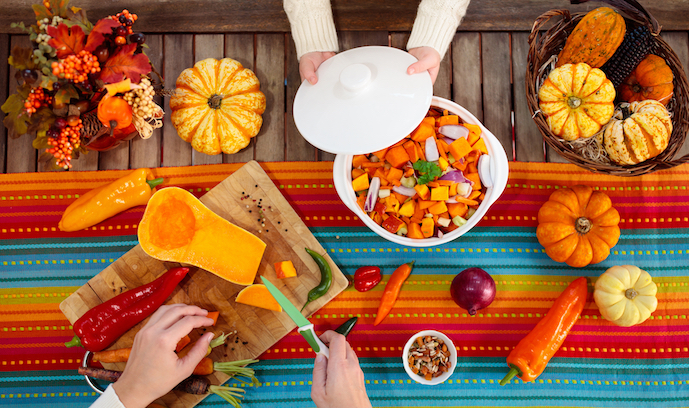
Pumpkin spice, flannels, cold weather… FALL is here! And there is no better way to celebrate the crisp air and falling leaves than with everyone’s favorite…pumpkins! Pumpkin bread, pumpkin pie, even pumpkin risotto. Read on for some great (and easy!) pumpkin recipes. 

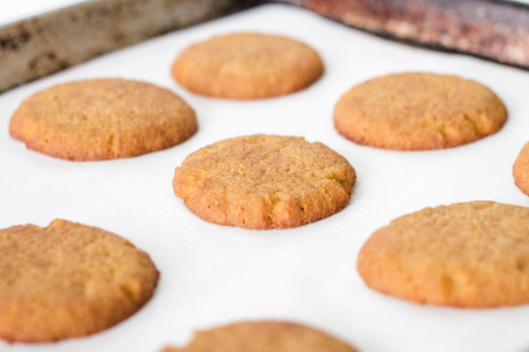
Keto Pumpkin Cookies

These cookies are autumn in a bite. The perfect consistency with a crisp and sugary outside and a soft inside gives you the perfect pumpkin-y fall flavor. These cookies are keto and vegan! Here’s how to make them.

Ingredients:

2 cups almond flour

½ teaspoon baking powder

½ teaspoon sea salt

1 tablespoon flax seed powder

3 tablespoon water

½ cup unsweetened pumpkin puree

¼ cup coconut oil

1 teaspoon vanilla extract

½ cup brown erythritol

2 teaspoon ground cinnamon

4 teaspoon brown erythritol (to sprinkle on top)

Instructions:

  1. Preheat oven to 350F (180C) and line a cookie tray with baking paper. 
  2. Add the almond flour, baking powder, and salt to a medium mixing bowl and whisk until well combined and there are no lumps of flour. 
  3. Make a “flax egg” by mixing the 1 tbsp. flax powder and 3 tbsp. water together in a small bowl. Allow to sit for 5 minutes. Alternatively, could use 1 egg if not vegan. 
  4. Add the flax egg, pumpkin puree, melted coconut oil, and vanilla extract to a bowl and whisk together until smooth. 
  5. Add the brown granulated erythritol to the wet ingredients. Stir until well-combined and most of the sweetener granules are dissolved. 
  6. Add the wet ingredients to the almond flour mixture. Stir until the dough sticks together and has a similar texture to regular cookie dough. If the dough is too wet, add another ¼ to ½ a cup of almond flour. 
  7. Oil your hands, then roll 2 tbsp. of dough at a time into a ball and place on the baking sheet. You should end up with 12 cookie dough balls. Use a fork to press each ball down crosswise until they’re about ½ inch (1 ½ cm.) thick. 
  8. Bake for 15 – 20 minutes at 350F (180C) until cookies are just starting to turn brown and golden. Remove from the oven and sprinkle with brown erythritol and cinnamon while warm. 
  9. Allow the cookies to cool on the cookie tray for 20 minutes. Then, carefully transfer them to a wire cooling rack to finish cooling.  And voila! Vegan & keto pumpkin cookies! 


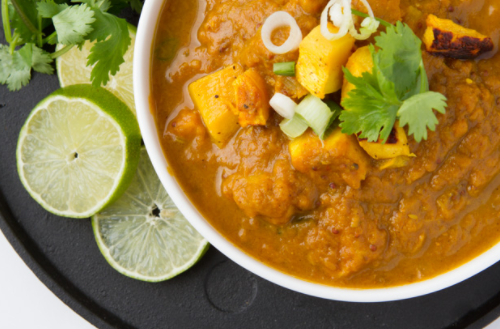
Vegan Pumpkin Curry

This dish has all the well-developed flavors of curry but with a fraction of the effort and time! The spices and pumpkin flavors melt together to give you a taste of the autumn season. And, it’s vegan! Here is how to make vegan pumpkin curry. 

Ingredients: 

1 1/2 Tbsp Coconut oil

1 Large sweet potato cut into 1/2 inch cubes (about 370g)

1 Medium onion, roughly chopped

1/2 Tbsp Garlic, minced

1/2 Tbsp Ginger, minced

4 tsps Curry powder

3 tsps Cumin

1 tsp Salt

1 1/2 Cups Canned Pumpkin puree not pumpkin pie filling!

1 cup Light coconut milk

1/2 Cup Low-sodium vegetable broth

1 tsp Sriracha

1/2 Cup Cilantro roughly chopped

Instructions:

  1. Heat coconut oil over med/high heat in a large pan. 
  2. Add the chopped potato, onions, ginger, garlic, curry powder, and cumin and cook for 8-10 mins, until they are fragrant and begin to brown.
  3. Add the pumpkin, coconut milk and broth. Give them a good stir until they are well combined. Bring to a boil and boil for 3 minutes, stirring frequently.
  4. After 3 minutes, cover and simmer until the potatoes are soft, 10 minutes, stirring occasionally.
  5. Then, uncover and simmer for about 5 minutes, stirring occasionally, to thicken. Then, stir in the sriracha.
  6. Stir in the cilantro and DEVOUR!


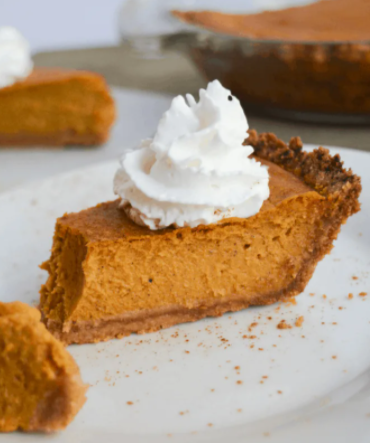
Keto Pumpkin Pie

Everybody loves pumpkin pie. Whether it’s the last thing you eat on Thanksgiving or just a treat to get you through these fall months, this keto pumpkin pie will have you dying for more. Instructions below! 

Ingredients:

Crust 

  • 2 cups almond flour
  • 4 tablespoons butter 
  • 1 tablespoon brown swerve (or your preferred sweetener) 

Filling 

  • 2 cups heavy whipping cream 
  • 2/3 cup powdered swerve (or your preferred sweetener) 
  • 4 tablespoons butter
  • 2 eggs, beaten
  • 2 teaspoon vanilla extract
  • 1 15 ounce can pumpkin puree 
  • 1 teaspoon pumpkin pie spice 

Instructions:

To make crust 

Place almond flour, butter, and swerve in food processor and pulse until combined, about 10 times. Dough will stay formed if you scoop a little between your fingers when ready. 

Press dough evenly into 9-inch pan, including up the sides. 

To make filling 

In a large saucepan over medium heat, whisk together the heavy whipping cream, erythritol, butter, and vanilla extract. Stir often until a slight brown, thick sweetened condensed milk forms 

Remove from heat and let cool for 15 minutes 

To assemble

Pour pumpkin pie filling into prepared pie crust. Check intermittently through baking to ensure crust isn’t browning too much. If they begin to get too dark, cover the edges with foil. Bake for 35 minutes or until a toothpick placed in the center of the pie comes out clean. Cool completely before serving. 


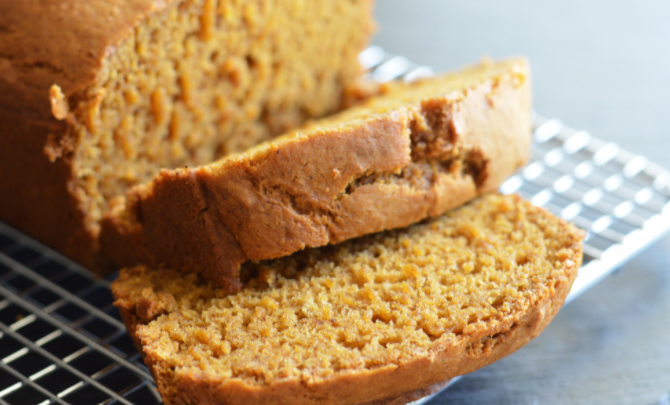
Vegan Pumpkin Bread

Mmm! This vegan pumpkin bread has the perfect amount of sweetness, moistness, and pumpkin flavor. It is easy to make and will have your kitchen smelling like an Autumn wonderland. Here’s how to make vegan pumpkin bread. 

Ingredients: 

1 cup pumpkin puree (make sure not to use pumpkin pie FILLING)

1 cup brown sugar, light or dark, firmly packed

1/2 cup oil canola or vegetable oil work well

3 tbsp maple syrup (agave syrup can also be used)

3 tbsp apple juice (water or apple cider can also be used)

1 3/4 cups all-purpose flour (white whole wheat flour can also be used)

1 tsp baking soda

1 tsp baking powder

1/2 tsp salt

2 tsp pumpkin pie spice (individual spices can also be used)

Instructions:

  1. Preheat oven to 400 degrees F. Generously spray a loaf pan with non-stick cooking spray.
  2. In a large bowl, combine pumpkin, brown sugar, syrup, oil and apple juice. Mix well to combine.
  3. Add flour, baking powder, baking soda, salt and pumpkin pie spice to wet ingredients, and mix until just combined. Do not over mix.
  4. Pour batter into prepared loaf pan and bake for approximately 45-55 minutes, or until a toothpick inserted into the center comes out clean.
  5. Remove from oven and allow to cool on a wire rack, in loaf pan, for approximately 15 minutes. Then carefully invert the pan to release the bread. Return loaf of bread to wire rack and allow to continue to cool, or gently slice and serve. Bread can be somewhat fragile while still hot, so just be gentle when slicing.


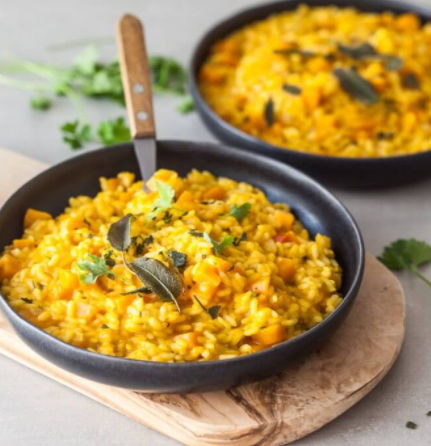
Vegan Pumpkin “Cheddar” Risotto

This vegan pumpkin “cheddar” risotto is everything you love about Fall. It uses cauliflower instead of risotto so you can feel good eating this low carb dish and enjoy it, too! Instructions to make this delicious vegan pumpkin “cheddar” risotto below! 

Ingredients: 

1/4 cup sliced leek

2 tablespoon olive oil 

1 teaspoon paprika

12 ounces (about 3 cups) of riced cauliflower

1/2 cup pureed pumpkin

1/4 nutritional yeast 

1/4 cup of veggie broth (or dry wine, or nondairy milk) 

Salt and pepper to taste

1/4 cup fresh chopped parsley 

Instructions:

  1. In a fairly large saucepan on medium heat, add the olive oil, leek, paprika, salt and pepper.
  2. Let the leek soften (cook until it’s pretty translucent), stirring occasionally. .
  3. Add in cauliflower, and stir until thoroughly combined.
  4. Pour in the veggie broth and place the lid on the saucepan, and let this cook for about 10-15 minutes, stirring occasionally so as not to have the cauliflower stick.
  5. Stir in the pumpkin puree and nutritional yeast.
  6. Taste the mixture (carefully!) – add more salt/pepper if necessary. If the cauliflower is still a bit hard, cook until it is softer, and more like rice.
  7. Remove the mixture from heat and garnish with parsley.
  8. Serve and enjoy!


If you find yourself bookmarking endless fall pumpkin vegan and keto recipes, now you have them all in one place. If you try any of our favorite fall recipes, we would love to see your master chef skills on Instagram – tag us at @FITAID !