Host Todd Nief discusses with LIFEAID co-founder Orion Melehan the trade-offs of rapidly scaling a growing business, how to understand proper sequencing in terms of when it’s appropriate to take certain actions in business, and how LIFEAID plans to stay true to their mission as they expand outside of the fitness subculture into more mainstream markets in grocery stores. (1:10:36)
Good news: your health and fitness don’t have to be put on hold just because of travel plans! Stay active and enjoy these adventurous vacation ideas with your family this summer.
While Ginseng is commonly touted for its antioxidant and anti-inflammatory effects, it can also help regulate blood sugar levels, have benefits for some cancers, may strengthen the immune system, enhance brain function & more!
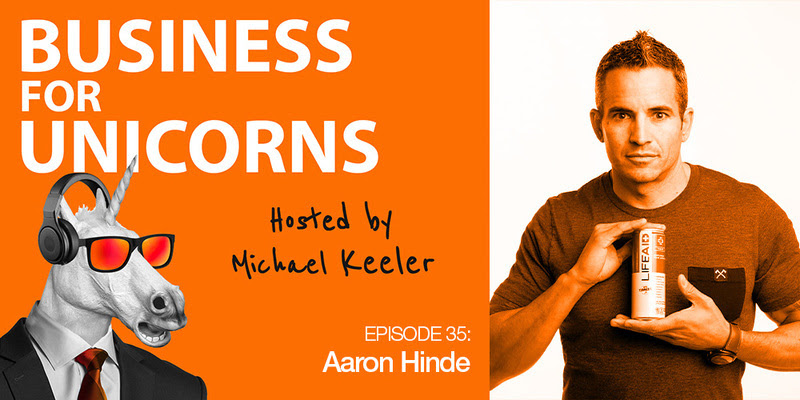
What made Dr. Aaron Hinde leave a comfy $350k-per-year job to take a huge gamble in an industry he had no previous experience in? Find out how his giant leap paid off and to what he attributes his successes, on this episode of Business for Unicorns. (57:00)
“The public should be aware of the impact of energy drinks on their body, especially if they have other underlying health conditions. Healthcare professionals should advise certain patient populations, for example, people with underlying congenital or acquired long QT syndrome or high blood pressure, to limit or monitor their consumption,” according to recent scientific study author Sachin Shah, Pharma. D.
This #1 BEST SELLER is a short, easy read which offering refreshingly brutal honesty about the author’s past mistakes and how each one provided a necessary life lesson.
It’s finally summertime! Many of us wait all year for pool parties, beach days, camping and outdoor fun with family and friends. Personally, I love summer because it’s so easy to get outdoors and find a variety of exercises to help you reach your fitness goals while enjoying the sunshine: a jog along the beach, laps in your local swimming pool, a friendly tennis match, or attending an outdoor yoga class.
I want to start off by saying I am not the healthiest, most active person out there. But I thoroughly enjoy being outdoors, feeling energized, and paying attention to how both my mind and body feel. Do I go to the gym daily? No. Do I eat sugar? Yes (I love cookies). But life is about balance and feeling healthy on the inside. That’s why I am a big fan of setting up smart, attainable goals for myself, especially during the summer when there are so many extra activities, food and fun that can distract us from our fitness goals. There’s no need to get extreme with your workout plans, especially during a season when your days are often jammed packed with outdoor activities to help keep your body moving. Currently, I have been going to the gym a few times a week, stretching, and going on walks around my neighborhood. When I start to feel too tired, I remind myself that even if I do something active after work for 20-30 minutes, it’s better than nothing so that’s a “win.”
HERE ARE MY TOP PICKS FOR Summer Necessities for a Healthy, Active Lifestyle:
Attainable nutrition & fitness goals are a MUST. Make a plan, keep it simple, and you’re more likely to stick to it so you can crush your goals this summer (which always gets me about setting new goals)!
Workout clothes that I feel confident in! Because when you feel better, you move better and live better. Summer goal: feel good about moving your body.
My favorite kanteen or water bottle filled with ice-cold water to help me stay hydrated.
An upbeat playlist on my iPhone to help get me pumped up to crush my workouts.
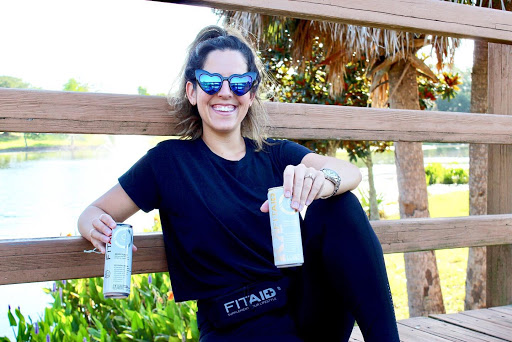
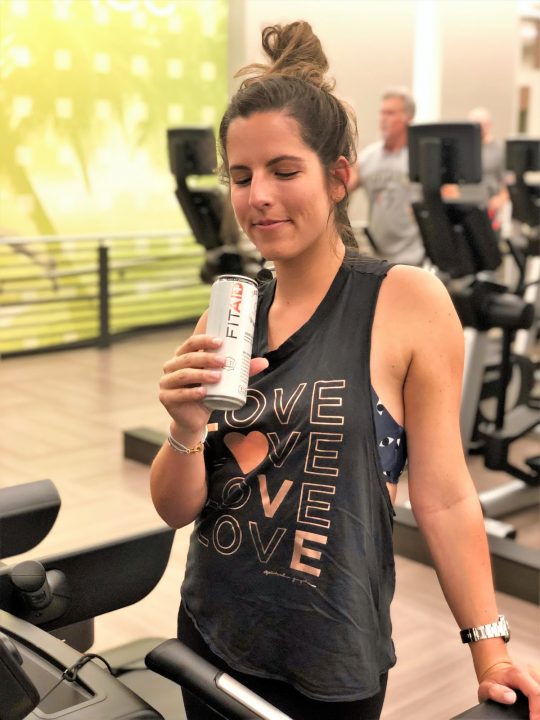
An ice-cold FITAID ZERO as a macro-friendly post-workout treat or a refreshing 5-calorie soda replacement.
When it comes to nutrition, one smart addition to my grocery list this summer has been items that taste great, are refreshing and satisfying yet won’t blow my macros out of the water. That’s where FITAID ZERO comes in! It’s only 5 calories, 1g of carbs, and helps my body recover properly after I finish a workout. It’s also the perfect soda replacement or mixer when served ice-cold on a hot summer day. Bonus: it’s made without any artificial sweeteners, NO sucralose, NO aspartame—happily sweetened with Monk Fruit & Stevia, made with only the good stuff your body needs (glutamine, glucosamine, BCAAs, electrolytes, CoQ10, turmeric, quercetin, green tea extract (for 45mg of natural caffeine & energy), vitamins C, D, & E, and B-complex).
SUMMER SNACKIN’
If healthy eating is a challenge for you, here are some snacks and meal ideas I find fast and easy to help stay on track during the summer. Light and refreshing is key for those hot months, and meals that are easy to prepare so that you’re not wasting too much time in the kitchen are always a plus! Reach for fresh fruits, veggies, granola and nuts—all great snacks for outdoor adventures—as well as smoothies that you can take with you on the go! I also love a quick salad or wrap you can throw together — tuna, chicken, or veggie & hummus for a vegan option. Don’t forget that with summer, comes BBQ’s, pool parties and picnics. Be sure to treat yourself every now and then because life is all about balance.
Wishing you a safe & healthy ACTIVE summer!
About the Author: Nikki Dagot is a 28-year-old food blogger who lives in Orlando, Florida.
Hot on the heels of controversial special guest Greg Glassman, LIFEAID co-founder and president Aaron Hinde sits down to share his perspectives on fitness, health, and obstacles facing the everyday athlete and entrepreneur in Episode 3 of MAKEPODSGREATAGAIN. (50:00)
These healthy, Keto-Friendly summer recipes from Eating Well 101 will have your mouth watering — with everything from Avocado Chicken Salad to Kebabs and Cheesy Dips, plus Berry Cobbler for dessert!
Whether we’re employees pitching colleagues on a new idea, entrepreneurs enticing funders to invest, or parents and teachers cajoling children to study, we spend our days trying to move others. Like it or not, we’re all in sales now. To Sell Is Human offers a fresh look at the art and science of selling.
If you consume products that contain Sucralose, please be warned of its various negative health effects!
Common side effects of Sucralose & Splenda consumption include:
+ Gastrointestinal problems (Sucralose can destroy as much as 50 percent of the microbiome in your gut)
+ Seizures, dizziness, and migraines
+ Heart palpitations or fluttering
+ Blurred vision & allergic reactions
+ Blood sugar increases, weight gain and Type 2 diabetes
An in-depth scientific review of sucralose (Splenda) reveals an extensive list of safety concerns, including toxicity, DNA damage, and heightened carcinogenic potential when used in cooking.
When heated, it releases chloropropanols, which belong to a class of toxins known as dioxins. Dioxin—a component of Agent Orange—is among the most dangerous chemicals known to man!
Sucralose can destroy as much as 50 percent of the microbiome in your gut. What’s worse, it appears to target beneficial microorganisms to a greater extent than pathogenic and other more detrimental bacteria.
Both animal and human studies have shown that Splenda alters glucose and glucagon-like peptide-1 (GLP-1) levels, thereby promoting weight gain and type 2 diabetes.
The adverse effects of sucralose are oftentimes misdiagnosed or overlooked entirely as the side effects are so varied and mimic common ailments.
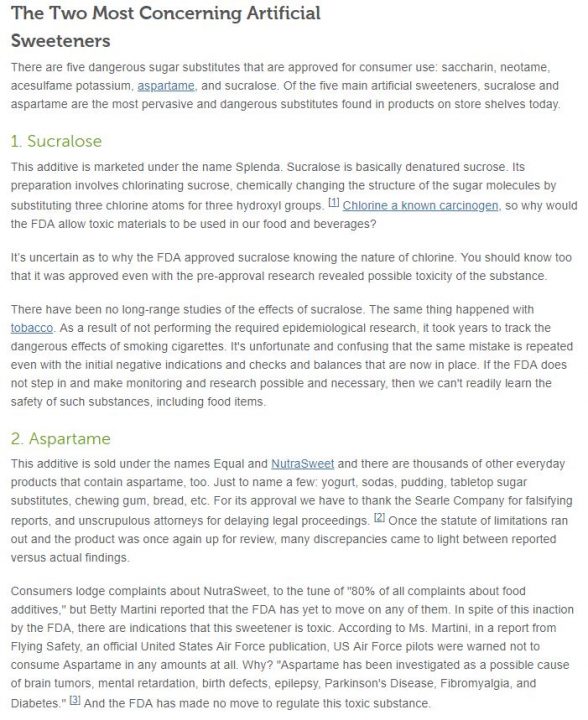
Sucralose, marketed under the brand name Splenda, is a best-selling artificial sweetener around the world. (In the European Union, sucralose is also known under the additive code E955.)
It has been nearly eight years since I published my concerns about Splenda in my book, Sweet Deception. Since then, evidence continues to support the concerns I had back then.
Splenda is found in tens of thousands of processed food products sold in 90 different countries, many of which are specifically marketed to those seeking to either lose weight or manage their diabetes.
Mounting research, however, shows that not only does it tend to worsen both of those problems, but it’s also associated with an array of other troublesome side effects.
The website www.TruthAboutSplenda.com lists a variety of consumer complaints from Splenda consumption, many of which mimic other health conditions. Some of the most commonly reported adverse effects include:
Gastrointestinal problems
Seizures, dizziness, and migraines
Blurred vision
Allergic reactions
Blood sugar increases and weight gain
But that’s not all. Now, an in-depth scientific review1, 2 of sucralose published in the Journal of Toxicology and Environmental Health3 reveals an extensive list of safety concerns, including toxicity, DNA damage, and heightened carcinogenic potential when used in cooking.
It also blows a huge hole in the argument that Splenda is a good choice for diabetics and/or those seeking to lose weight.
Sucralose—NOT Safe for Cooking After All
The featured report came to several important conclusions—all of which challenge the “generally recognized as safe” (GRAS) status of sucralose. Of primary concern is that sucralose is not an inert substance.
When heated, it releases chloropropanols, which belong to a class of toxins known as dioxins. One of the selling points of Splenda is that it remains stable when heated, making it well-suited for cooking and baking, but these findings refute such claims. (Many other artificial sweeteners, such as aspartame, are not recommended for cooking purposes as they’re known to break down in high temperatures.)
As reported by Sayer Ji at GreenMedInfo.com,4 research now shows that sucralose starts breaking down at 119 degrees Celsius; 180 degrees Celsius causes it to degrade completely.
Dioxin is a waste product of incineration, smelting, chlorine bleaching, and pesticide manufacturing, and its well-documented health effects include cancer and endocrine disruption. In fact, dioxin, which was a toxic component of the Agent Orange used to defoliate jungles during the Vietnam War, is easily one of the most dangerous chemicals known to man.
Another study5 published in October also expressed concern over the chlorination reactions that occur when sucralose is cooked in stainless steel cookware, generating highly toxic compounds, including dioxins6 and polychlorinated dibenzofurans (PCDFs).
Recent animal research also suggests a link between Splenda consumption and an increased risk of leukemia.7 Based on such research, the time is more than ripe for the US Food and Drug Administration (FDA) to reconsider the GRAS status of sucralose…
Sucralose Also Destroys Your Gut Health
The featured review also concluded that sucralose destroys gut bacteria. (In fact, animal research8 published in 2008 found it could kill as much as 50 percent of your microbiome.)
This is very important, as anytime you destroy healthy intestinal bacteria, you open yourself up to unfriendly micro-organisms that can cause health problems. Your immune system, which is imperative for general health, is dependent on healthy gut flora, so the idea that this artificial sweetener may destroy up to half of all your healthy gut bacteria is disconcerting to say the least.
Worse yet, sucralose appears to target beneficial microorganisms to a greater extent than pathogenic and other more detrimental bacteria. And remarkably, according to one study, these adverse effects on gut microbiota remained even after a three-month long recovery period…
Early studies, upon which its approval was based, claimed that sucralose would simply pass unchanged through the human gastrointestinal tract, but more recent investigations show that it is indeed metabolized in your gut. And, as reported in the featured review, “the identity and safety profile of these putative sucralose metabolites are not known at this time.”
Diabetics Beware…
The third issue is of particular importance for diabetics, who tend to use artificial sweeteners to manage their condition.9 Alas, both animal and human studies showed sucralose alters glucose and glucagon-like peptide-1 (GLP-1) levels. A related study published in the journal Diabetes Care10 in September came to a virtually identical conclusion. Compared to the control group, obese patients using sucralose experienced a greater incremental increase in peak plasma concentrations, a greater incremental increase and peak secretion rate … According to the authors:
“These data demonstrate that sucralose affects the glycemic responses to an oral glucose load in obese people who do not normally consume non-nutritive sweeteners.”
Toxicological Issues Still Need to Be Addressed
According to the featured review, there are “numerous toxicological issues regarding long-term exposure to sucralose” that remain “unresolved.” This includes:
Genotoxicity (DNA damage) and potentially adverse epigenetic effects
The generation of toxic compounds when heated
Bioaccumulation (One 2009 study found unmistakable evidence that Splenda is absorbed by body fat, contrary to previous claims)
Potential drug interactions
The paper also notes that the acceptable daily intake (ADI) set for sucralose may in fact be hundreds of times too high to ensure safety! According to more recent research, the no-observed-effect-level (NOEL) in rats’ gut bacteria is actually 454 times lower than earlier studies showed. If the biological effects of sucralose are similar in both rats and humans, then you could experience health effects even if you consume sucralose at levels well below the ADI. Also consider this:
“Sucralose is classified by the FDA as safe for human consumption as a food additive. The FDA stated that their decision was based upon results from 110 animal and human studies of the effects of sucralose. Of the 110 studies, two were on human beings, with one being a four day trial by the manufacturer,”The Examiner reports. [Emphasis mine]
I might also add that these two studies consisted of a combined total of 36 people, of which only 23 people actually ingested sucralose, and the four-day trial looked at sucralose in relation to tooth decay, not human tolerance! Sadly, if you’re a long-term Splenda user, you’re actually acting as a human guinea pig, as no one knows what happens when humans consume this substance for long periods.
If you look through the research literature, you’ll find that only about 10 percent of the studies involving sucralose have anything at all to do with safety. In fact, eight years ago when I wrote the book Sweet Deception, in which I expose the many concerns related to the consumption of artificial sweeteners, there were only 15 studies relating to the safety of sucralose, and 13 of them were funded by the company that makes Splenda, leaving enormous room for conflict of interest.
Industry Funded Studies FAR More Prone to Miss Safety Concerns
If you believe a company can be trusted to perform independent safety studies for their own products, consider the following example. In 1996, Dr. Ralph G. Walton reviewed 165 studies on the widely used artificial sweetener aspartame, discovering a remarkable discrepancy between study results and their source of funding. Of the 165 studies, 74 had industry related funding and 91 were independently funded. Of those:
100 percent of the industry funded studies supported aspartame’s safety, while
92 percent of the independently funded studies identified at least one potential health concern
Dr. Walton also pointed out that of the seven remaining non-industry funded studies that supported aspartame’s safety, six were done by the FDA, and the seventh was a literature review of mostly industry sponsored research.11 Considering the long-standing revolving door between various industries and the FDA, it’s questionable as to whether an FDA study can be considered truly “independent,” even though they were counted as independent in Walton’s review. If you give that concern any merit, you’d essentially be looking at 100 percent of industry related studies claiming aspartame to be safe, and 100 percent of independent studies flagging some sort of health concern!
This is truly powerful documentation of the influence of corporately sponsored trials on safety or any other potential complication that can occur. This type of funding bias is a fatal flaw in the system, because in order to receive FDA approval, the product is not required to undergo any kind of independent study. If you’re in the US and want to take some action on this issue, you can follow The Examiner‘s suggestion12 to contact Senators Sherrod Brown13and Rob Portman14 and ask them to fund proper, independent safety studies on the artificial sweeteners sucralose and aspartame. They also recommend contacting Speaker of the House, John Boehner,15 and Congressmen Pat Tiberi,16 and Steve Stivers17 to support such research.
Prevalence and Diagnosis of Sucralose Sensitivity
Unfortunately, the adverse effects of sucralose are oftentimes misdiagnosed or overlooked entirely as the side effects are so varied and mimic common ailments. The following are common symptoms, usually noticed within a 24-hour period following consumption of a Splenda product:
Skin — Redness, itching, swelling, blistering, weeping, crusting, rash, eruptions, or hives (itchy bumps or welts)
Lungs — Wheezing, tightness, cough, or shortness of breath
Head — Swelling of the face, eyelids, lips, tongue, or throat; headaches and migraines (severe headaches)
Nose — Stuffy nose, runny nose (clear, thin discharge), sneezing
One of the best things you can do if you suspect you may be suffering from a sensitivity is to do an elimination challenge. Simply remove all sources of sucralose from your diet and see if your symptoms improve over the next several days. If the symptoms dissipate, then you probably have your answer. To double-check, reintroduce a small amount of sucralose and see how you react over the next 24 hours.
Keep in mind that if you’ve been using Splenda for some time, gastrointestinal problems and related health issues may take three months or longer to improve, as mentioned above. I would strongly suggest reseeding your gut with healthy bacteria to speed up the healing process. Your best bet is to regularly consume traditionally fermented foods such as fermented vegetables. Alternatively, use a high-quality probiotic supplement.
If you suffer side effects from an artificial sweetener like sucralose (Splenda), then avoidance is your only recourse. You’ll need to be very vigilant about reading labels to ensure you’re not accidentally buying foods that contain it. Keep in mind that diet foods are not the only products that contain sucralose. A wide variety of “regular” products can also contain it, and sometimes in combination with other artificial sweeteners.
Splenda Is Not a Safe and Healthy Alternative to Sugar
Splenda is made from sugar, but chemically it’s more similar to DDT. Mounting research shows there’s a veritable laundry list of health concerns associated with it, from destroying your gut health to promoting diabetes and cancer. Truly, you’re consuming it at your own risk, as FDA approval is NOT a guarantee of safety… As stated by Sayer Ji:18
“Chlorinated compounds like dioxins and DDT are notorious for being both highly toxic and resistant to breaking down once released into the environment, which is why they are classified as ‘persistent organic pollutants.’
Splenda was launched in 2000 with tagline ‘Made from sugar, so it tastes like sugar,’ until it retired this slogan in 2007 after settling with its rival, Merisant Co., the maker of Equal, who accused the makers of Splenda of intentionally confusing consumers into thinking its product was more natural and healthier than other artificial sweeteners. Long gone are the days that this artificial sweetener can be marketed as natural, safe and a healthy alternative to sugar.”
My strong suggestion is to avoid ALL artificial sweeteners like the plague. While the mechanisms of harm may differ, they’re all harmful in one way or another. This includes
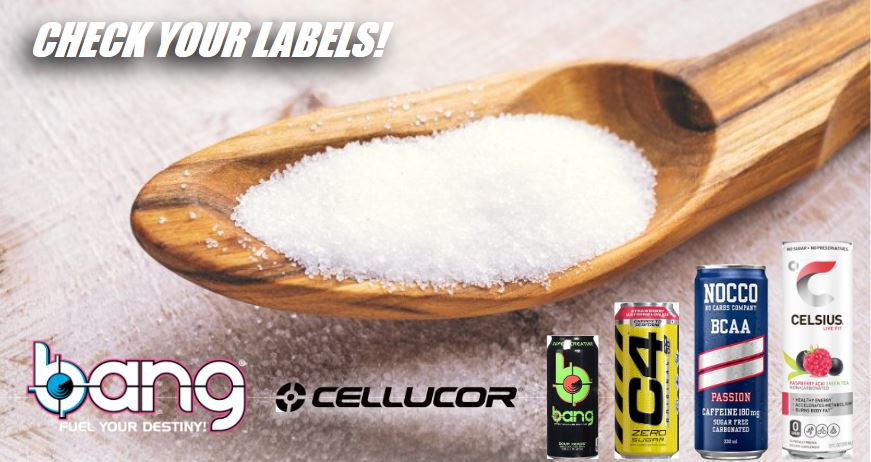
Check your label!
These popular brands all make products containing Sucralose/Aspartame:
Bang® • C4® • Celsius® • Nocco®
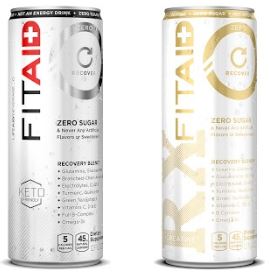
WHAT’S IN FITAID CANS?
The new FITAID ZERO and FITAID RX ZERO are happily sweetened with natural Monk Fruit & Stevia.
Our products and energy drinks are always made with ONLY THE GOOD STUFF.
They contain NO Sucralose, NO Aspartame, NO artificial sweeteners, NO junk!
Note: FITAID and FITAID RX are sweetened with just a pinch of natural sugar from raw organic agave.
Greg Scheinman, host of the Midlife Male podcast, discusses with LIFEAID co-founder Aaron Hinde what it took to reach success in business over the course of his entrepreneurial journey. (1:03:27)
An in-depth scientific review of sucralose (Splenda) reveals an extensive list of safety concerns, including toxicity, DNA damage, and heightened carcinogenic potential when used in cooking.
Collagen has a unique combination of amino acids that help to improve hair, skin & nails, as well as digestion and joint health. Discover the different types of collagen and how to use them!
This powerful story of one boy’s journey to achieve his life-long goal of becoming a samurai warrior brings the “Train to be Clutch” curriculum to life in a powerful and memorable way.
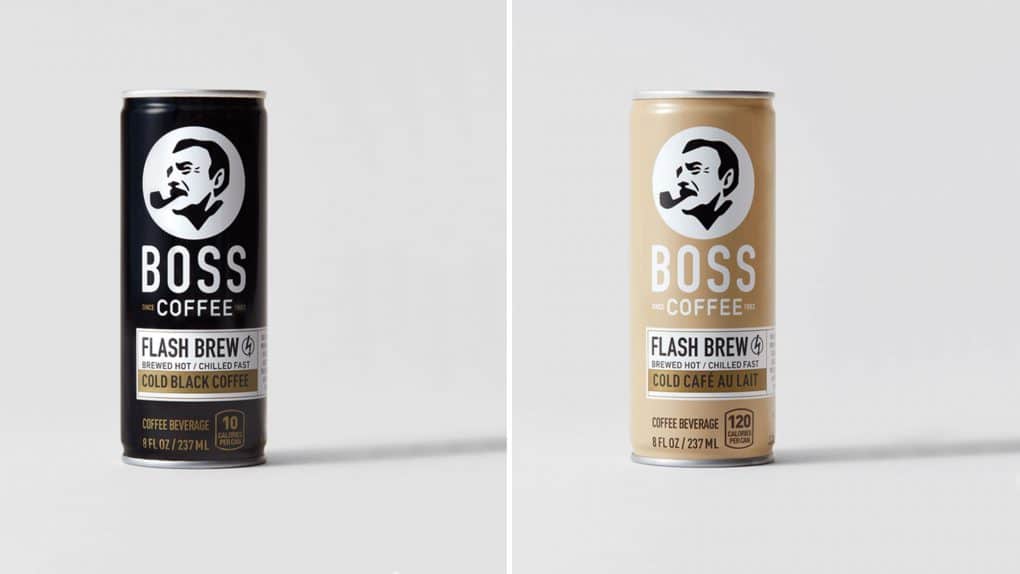
As spring turns to summer, beverage makers from across a range of categories are launching a slate of new products aimed at quenching consumers’ thirst during the hot weeks and months ahead. In this gallery, we highlight a handful of the notable new products introduced to market or announced in the past month, including new packaging formats for Natalie’s Orchid Island Juice and CHERRISH, an imported flash-brewed coffee from one of Japan’s top RTD brands, and protein-packed chocolate milk versions of two classic candy bars.
LIFEAID
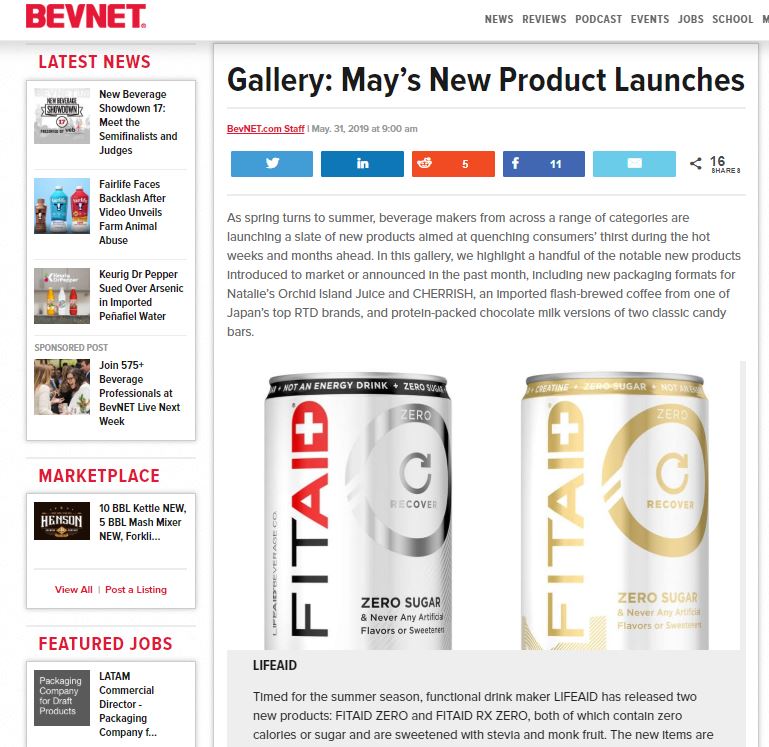
Timed for the summer season, functional drink maker LIFEAID has released two new products: FITAID ZERO and FITAID RX ZERO, both of which contain zero calories or sugar and are sweetened with stevia and monk fruit. The new items are available for sale in 24-packs through the company’s website and in 12 oz. cans at select retailers and gyms.
Mood33
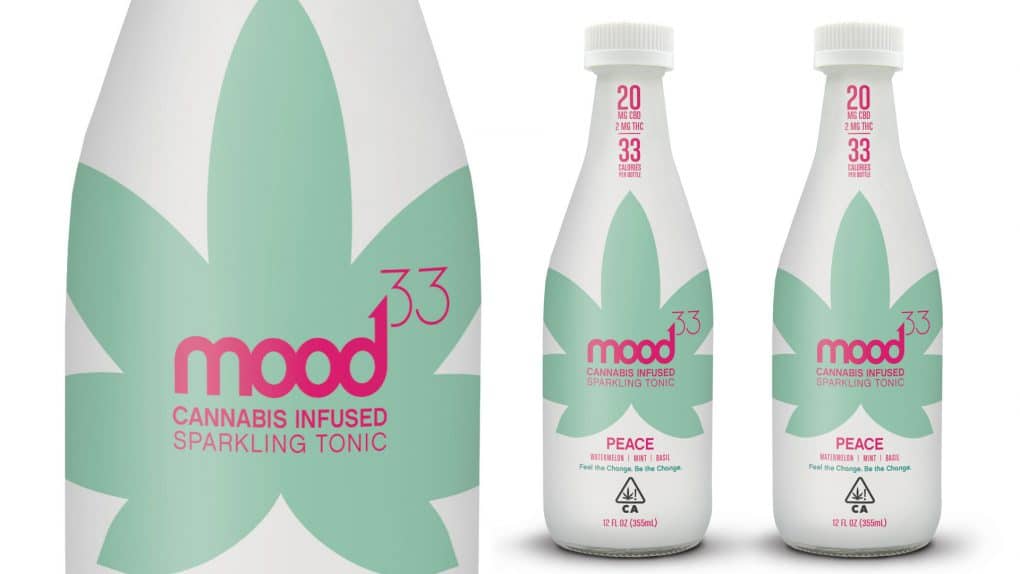
Cannabis beverage brand Mood33 has released a new SKU — Peace — which combines 20 mg of CBD with 2 mg of THC.
Natalie’s Orchid Island Juice Co.
Natalie’s Orchid Island Juice Company announced earlier this month its plans to transition to PET packaging for its 8 oz., 16 oz. and 32 oz. bottle sizes.
Oatsome
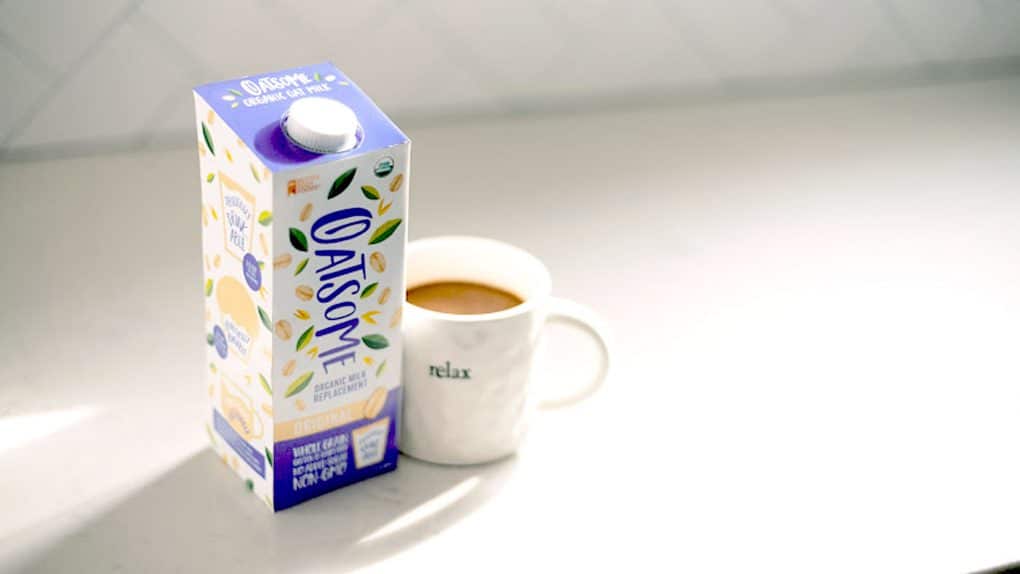
Oatsome is the latest brand to jump into the increasingly competitive oat milk category. Available in a one liter carton, the product is organic and free from any added gums or stabilizers.
BodyArmor
Sports drink brand BodyArmor entered the powdered mix category this month with the launch of two flavors — Fruit Punch and Orange Mango — in 3.56 pound bags designed to be used with five gallons of water.
Earth’s Own
Canadian plant-based beverage maker Earth’s Own has released a new chocolate oat milk available in 1.75 liter multi-serve and 250 ml single-serve formats. The flavor uses 50% less sugar than regular chocolate milk and includes 4 g of protein per serving.
CHERRISH
CHERRISH, a line of ready-to-drink cherry juice-based beverages, has introduced a new 3 oz. “to-go” pouch format for its three SKUs: Cherry Pomegranate, Cherry and Cherry Blueberry.
Teavana
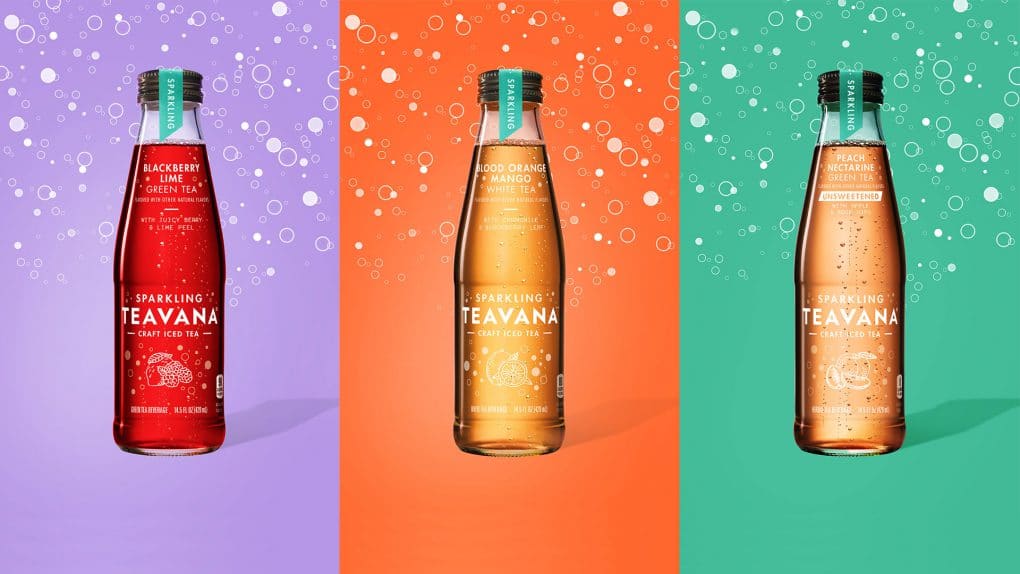
Teavana has added a new flavor to its lineup of sparkling craft iced teas: Blood Orange Mango White Tea. A blend of white tea, orange peel, champagne mango and a touch of cane sugar, the new flavor will be sold for a suggested retail price of $2.39.
Boss Coffee
Japanese beverage conglomerate Suntory is bringing its flagship ready-to-drink coffee to American audiences with the broad launch of Boss Coffee. The line, which highlights the use of flash-brewed coffee, will be available in 12-packs of 8 oz. cans in two varieties: black and cafe au lait.